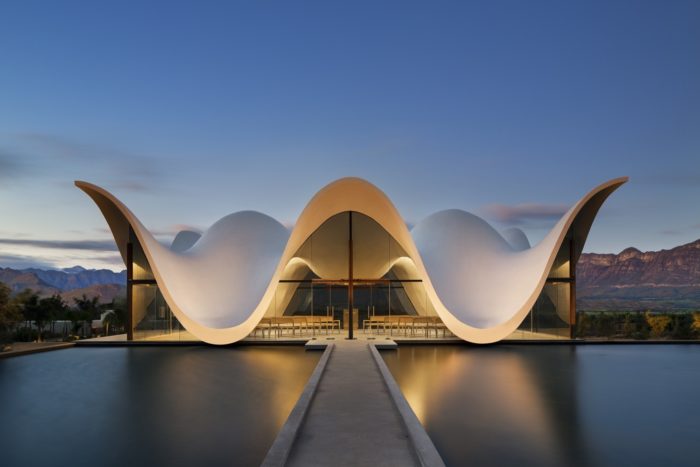
Indian Architecture 2027: A Vision of Sustainable Style
Exploring the future of design in India: blending tradition, technology, and climate resilience.
Imagine walking down a bustling Mumbai street in 2027, shaded by innovative, climate-responsive structures. These buildings seamlessly blend traditional Indian aesthetics with cutting-edge technology. The air, surprisingly fresh, is cooled by cleverly designed jaalis and courtyards. This isn't science fiction; it's a potential reality shaping the future of Indian architecture. The next five years will witness a dramatic shift in design and construction, driven by sustainability, technological advancements, and a renewed appreciation for our architectural heritage. We're crafting experiences, shaping communities, and responding to the urgent need for environmentally conscious design. This blog post explores the exciting possibilities and challenges ahead.
Sustainable Cities: Reimagining Urban Spaces
A stark contrast often exists between ancient Indian architectural marvels and modern concrete jungles. But what if we could bridge this gap? Projects integrating traditional courtyards into high-rise buildings are maximizing natural ventilation and minimizing energy consumption. This approach, combined with local materials like laterite and bamboo, is gaining popularity. Imagine a Delhi where locally sourced materials significantly reduce the carbon footprint of construction. In 2027, our cities will incorporate these elements to create sustainable and livable environments. We'll see more green spaces, transforming concrete landscapes into breathable, biophilic havens. Consider the impact of rooftop gardens on building and surrounding area microclimates.
Technology's Embrace: Smart Designs for a Better Future
Technology enhances building functionality and sustainability. Building Information Modeling (BIM) is transforming the design process, allowing for greater precision and collaboration. Smart homes are emerging in India, and in 2027, this will extend to neighborhoods and cities. Imagine a coastal city like Chennai, equipped with smart grids optimizing energy distribution, reducing waste and lowering costs. However, we must ensure technology enhances, rather than overshadows, cultural and aesthetic elements. Community participation is crucial to ensure technology serves human needs and aligns with our cultural values.
Climate-Responsive Design: Adapting to India's Diverse Climates
India's diverse climate presents challenges and opportunities. In the south, passive cooling techniques are key, while the north requires addressing insulation and heating. Consider a traditional haveli in Rajasthan, modernized with solar panels and smart ventilation systems. This blend of traditional wisdom and modern technology is crucial for climate resilience. In 2027, we'll see a significant focus on climate-responsive design, utilizing local materials and techniques to create comfortable and energy-efficient spaces. Vernacular architecture, with its courtyards, jaalis, and thick walls, combined with modern materials and techniques, offers true innovation.
Conclusion
The future of Indian architecture in 2027 is a vibrant tapestry woven from tradition, technology, and sustainability. Our buildings will be expressions of our culture, values, and commitment to a sustainable future. Let's continue this conversation on ArchIndia. Share your visions, concerns, and innovative ideas. What are your predictions for the future of Indian architecture? Let's collaborate and build a brighter, more sustainable future together!